1970s: Building a transit system in Snohomish County
1974
The Snohomish County Transportation Authority (SNO-TRAN) is created by the county government to plan a local transit system that would be funded by a 0.3% sales tax (subject to voter approval). It uses a new county transportation authority that was authorized by the state legislature.
1976
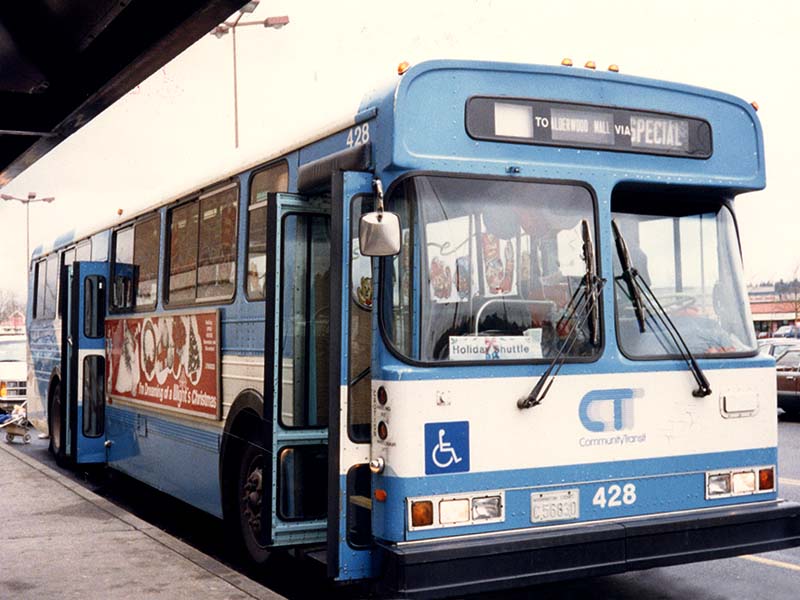
Community Transit launched bus service in Snohomish County with seven routes operating six days a week. In the early days, riders flagged buses along the road rather than using fixed stops. The system became known as the “Blue Bus,” laying the foundation for today’s transit network.
What began as a small system with just a few routes quickly grew to serve more communities across Snohomish County.
October 4, 1976
Launch of Snohomish County PTBA bus service with an initial set of seven routes using buses leased from Seattle Metro. There were no regular stops, instead passengers had to flag-down buses on the road.
January 3, 1978
Following successful annexation votes, new routes to Lake Stevens and Monroe debut using gasoline-powered mini-buses.
June 6, 1979
Following a public naming contest, the SCPTBAC Board adopts the name Community Transit for the agency.
1980s–1990s: Expanding local and commuter service
March 31, 1980
Community Transit expands service to Mukilteo, Granite Falls, Sultan, Stanwood, and Kenmore.
September 9, 1980
Service to Arlington begins, but the first trip was canceled due to a driver who became lost on local roads.
October 5, 1981
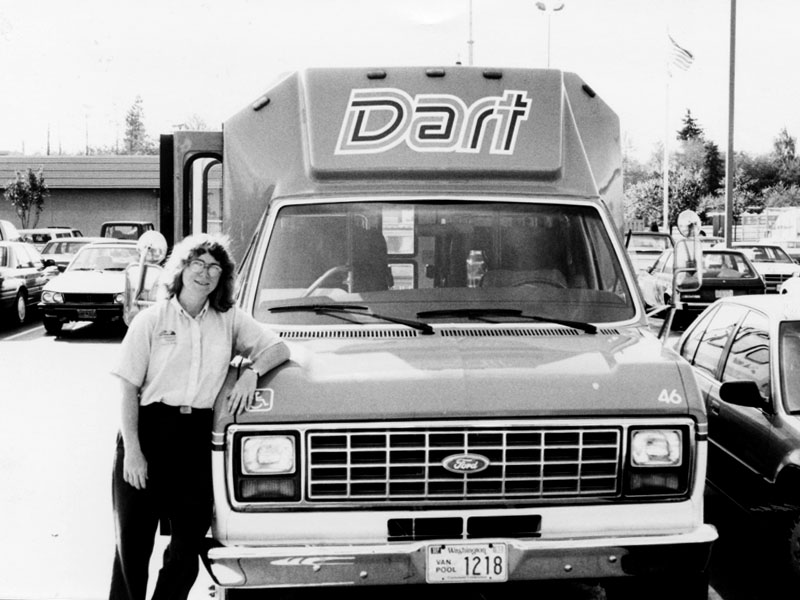
Community Transit launches DART, its first "Dial-A-Ride" service in cooperation with Senior Services of Snohomish County.
May 19, 1981
Gold Bar, Startup, and Index vote to be annexed into the PTBA.
September 6, 1981
Community Transit introduces its first wheelchair-lift accessible buses into its fleet.
April 5, 1983
Darrington and Oso vote to be annexed into the PTBA.
February 1985
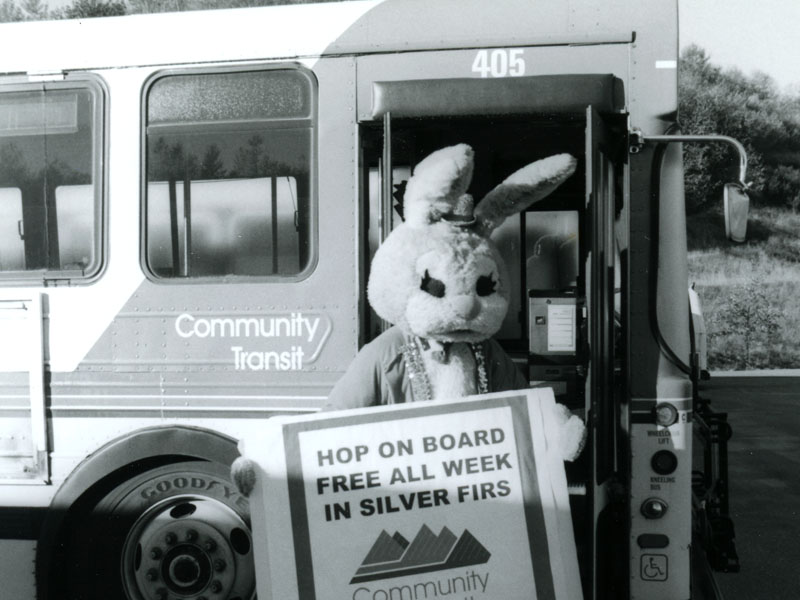
Rabbit Transit, the agency's first mascot, debuts to teach K-6 children about riding buses.
September 9, 1985
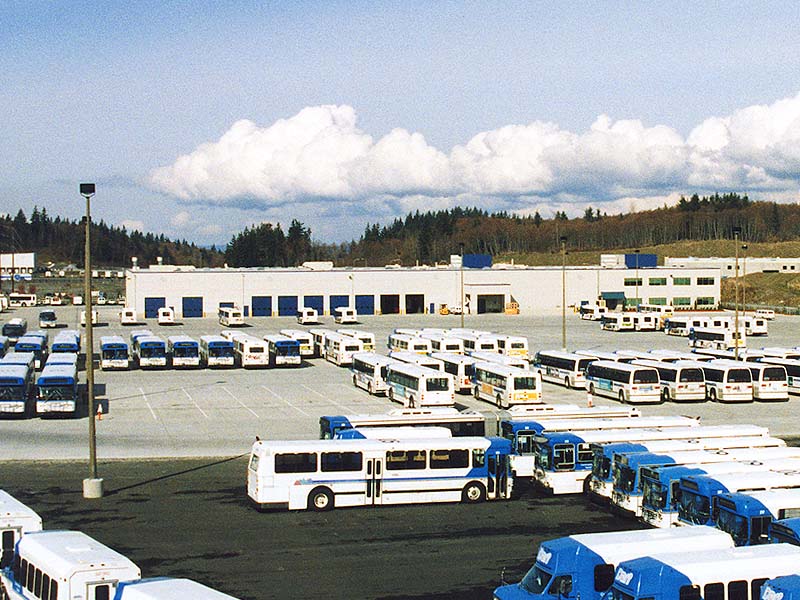
Community Transit's new headquarters and bus base near Kasch Park in Everett begins operation with room for 250 buses.
1986
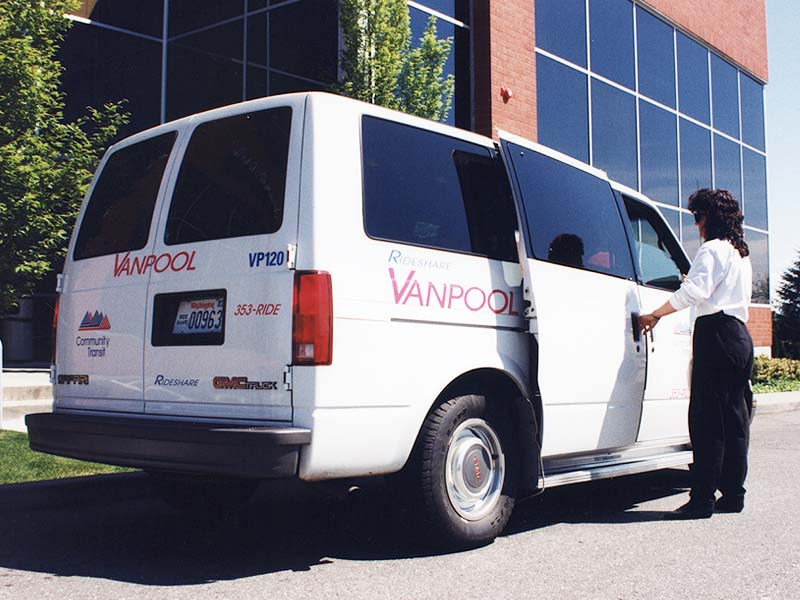
Community Transit begins its vanpool program.
1990
Community Transit began offering Sunday and holiday bus service, expanding operations to seven days a week. This made transit more accessible for riders who rely on weekends to get to work, shop, and travel.
As Snohomish County grew, so did the need for more transit options and stronger connections to the region.
June 1992
The "Bus Plus" book debuts, providing passengers with a combined book of schedules at every service change.
July 1, 1998
The Merrill Creek Base in Everett opens and replaces Martha Lake as the agency's headquarters. The base was built on the site of an abandoned quarry near the Boeing Everett Factory.
August 1, 1999
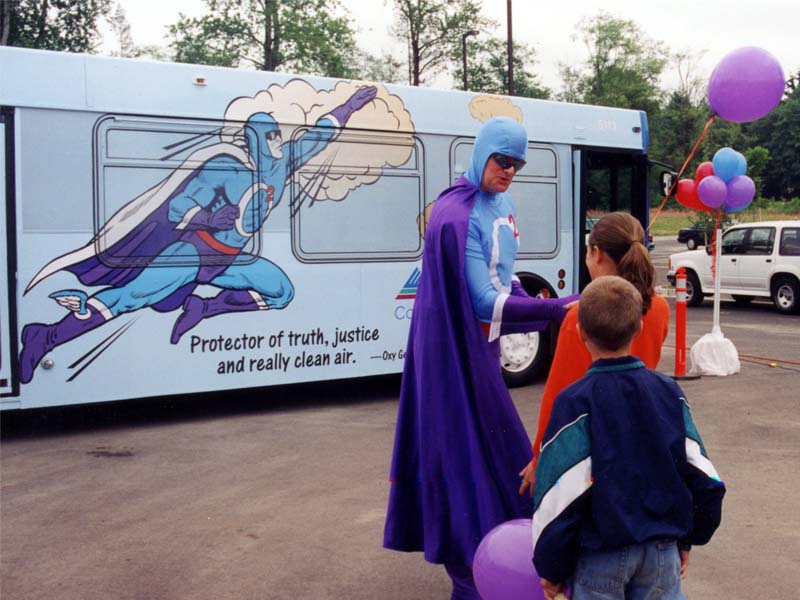
Oxy-Gene, Community Transit's new superhero mascot, makes his debut.
September 1, 1999
The PugetPass, a regional monthly pass, launches with support from Community Transit and four other agencies. It allows riders to use one pass to pay for buses across the entire Puget Sound region.
April 22, 1999
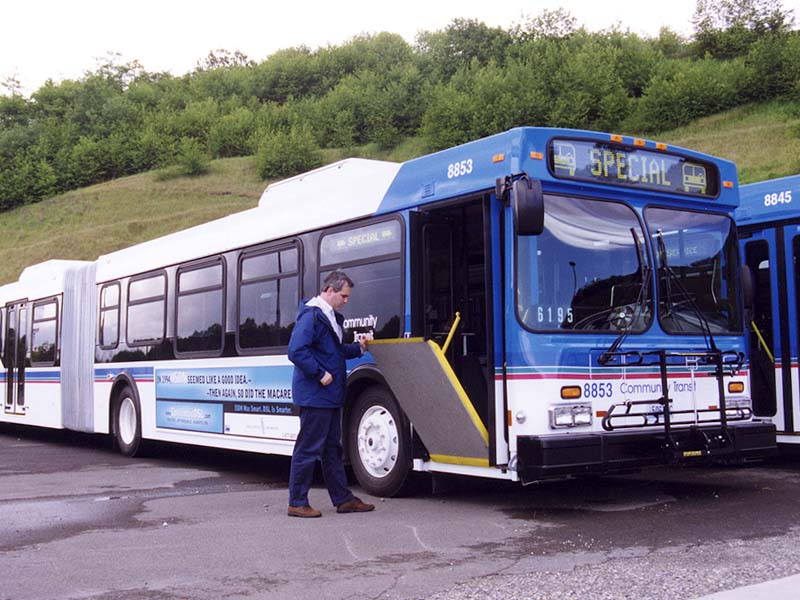
Community Transit debuts the first low-floor articulated buses in the United States. Each seat 60 passengers and also have two designated areas for wheelchairs with fold-up seating.
September 9, 1999
Following a successful annexation vote, Community Transit's first route on the Tulalip Tribes Reservation begins service.
December 20, 1999
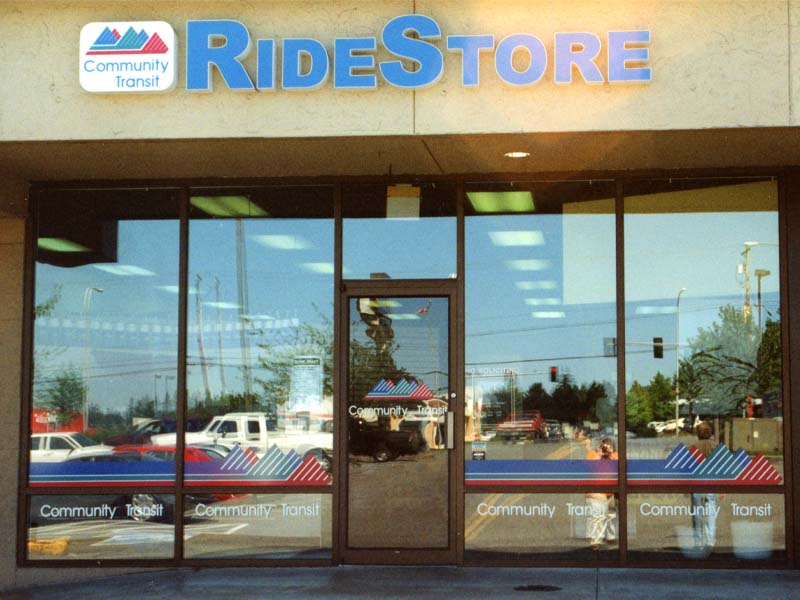
The Ride Store at Albertsons Shopping Center in Everett opens with customer service, collectibles, and other merchandise.
2000s: Introducing new service options
Early 2000s
Community Transit expanded commuter bus service to better connect Snohomish County riders with job centers in Seattle and surrounding areas. These routes provided a reliable alternative to driving and improved regional access.
February 9, 2000
Community Transit donates 12 surplus vehicles to nonprofits in the region, beginning its "Van GO" program.
October 27, 2003
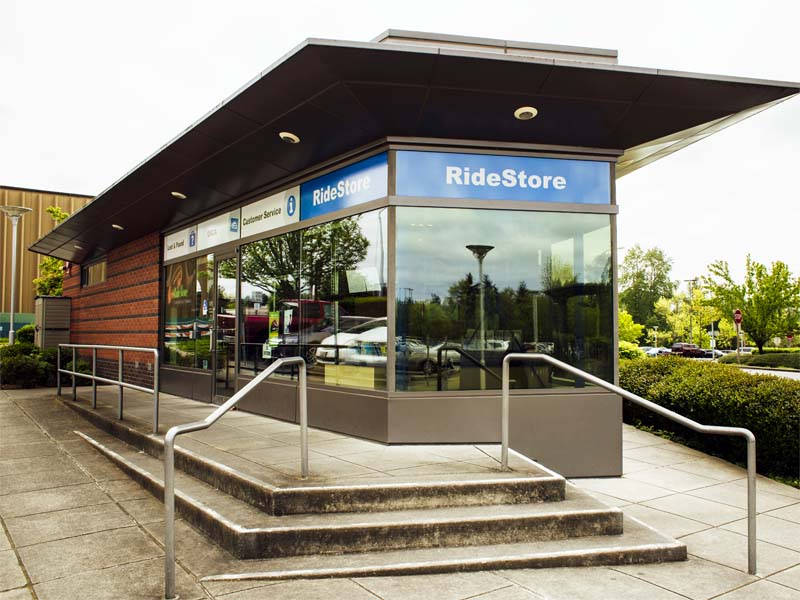
The Ride Store moves to Lynnwood Transit Center. Community Transit adds a collection of transit memorabilia to turn the store into a small "museum" in addition to a customer service center.
2005
Community Transit introduced a new logo and brand identity, along with the tagline “Smile and Ride.” The updated look created a more welcoming and recognizable experience for riders.
August 1, 2007
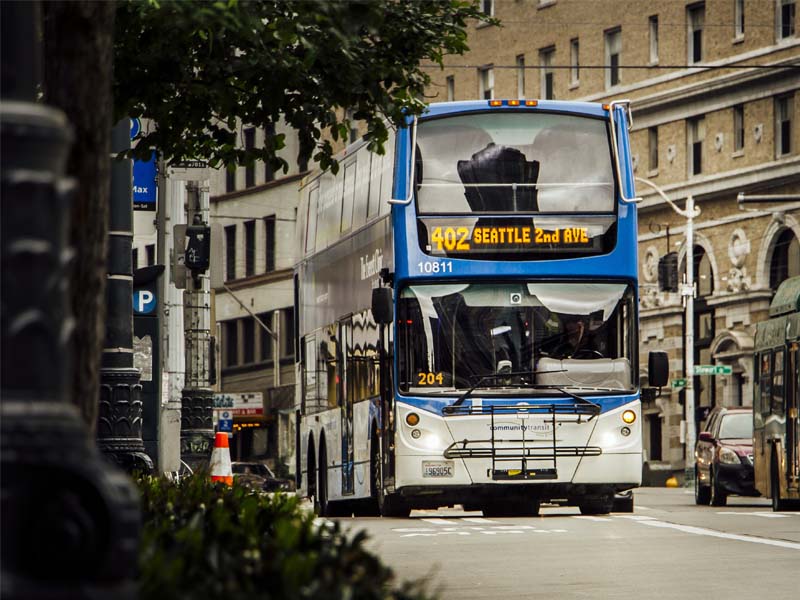
CT's first "Double Tall" double-decker bus enters regular service on commuter routes to Seattle as a pilot test. CT is the second transit agency in the United States to use double-deckers for regular trips.
2009
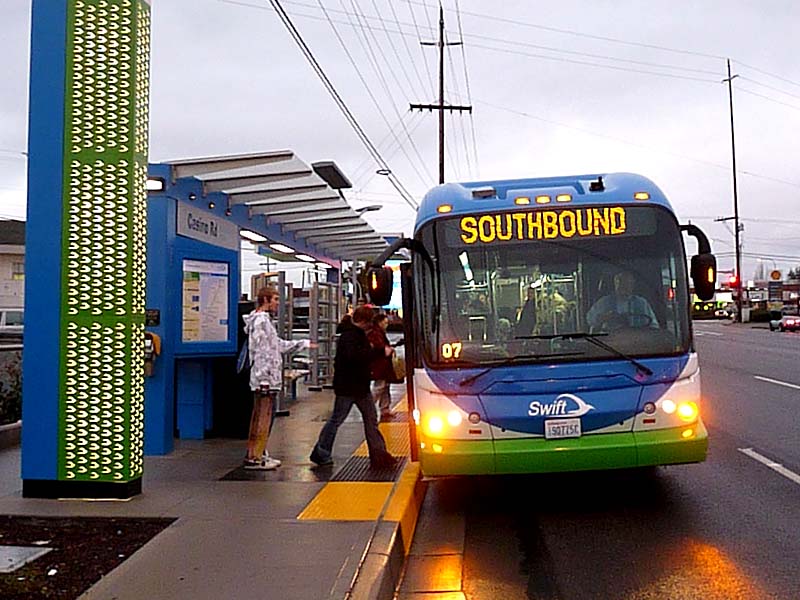
The Swift Blue Line launched, introducing bus rapid transit to Snohomish County. With frequent service, fewer stops, and enhanced stations, Swift improved travel times along Highway 99 and set a new standard for transit in the region.
These investments set the stage for faster, more frequent service and a more connected transit network.
November 30, 2009
Swift (now Swift Blue Line) debuts from Everett to Aurora Village using hybrid diesel-electric buses. It is the first bus rapid transit system in Washington state.
April 20, 2009
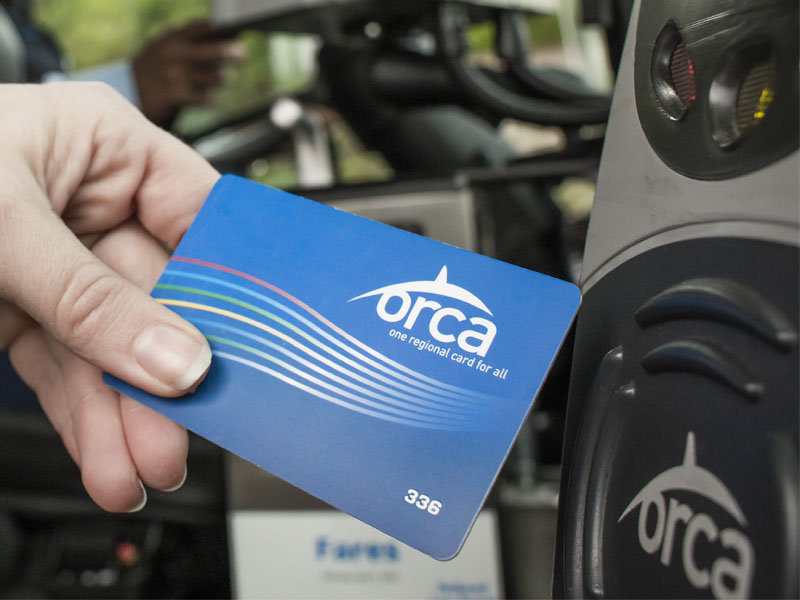
ORCA card launches to provide passengers with a region-wide fare system that replaces paper transfers and the PugetPass.
2010s: Faster service and regional connections
February 5, 2014
The Super Bowl victory parade for the Seattle Seahawks draws 700,000 fans, of which 22,500 rode on services operated by Community Transit.
March 26, 2014
Community Transit launches Route 231, an emergency service to Darrington following the Oso mudslide that closed State Route 530. The route provided a lifeline for Darrington residents after the disaster.
2015
Community Transit restored Sunday bus service as part of a broader service expansion. This improved access to jobs, services, and regional connections for riders across Snohomish County.
April 14, 2015
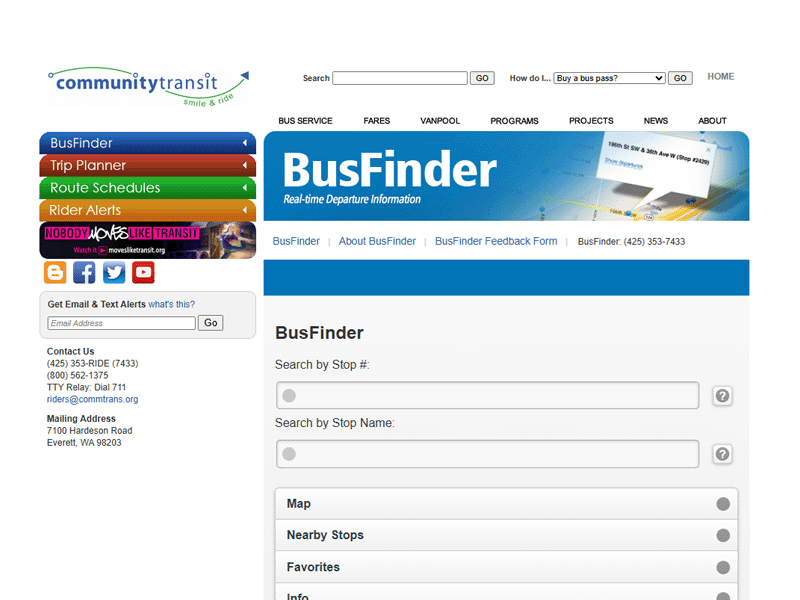
BusFinder launches, bringing real-time bus information to Community Transit's website for riders.
November 3, 2015
Proposition 1 is passed by voters in the PTBA to restore service lost in the recession, as well as fund new service such as Swift BRT expansion.
2019
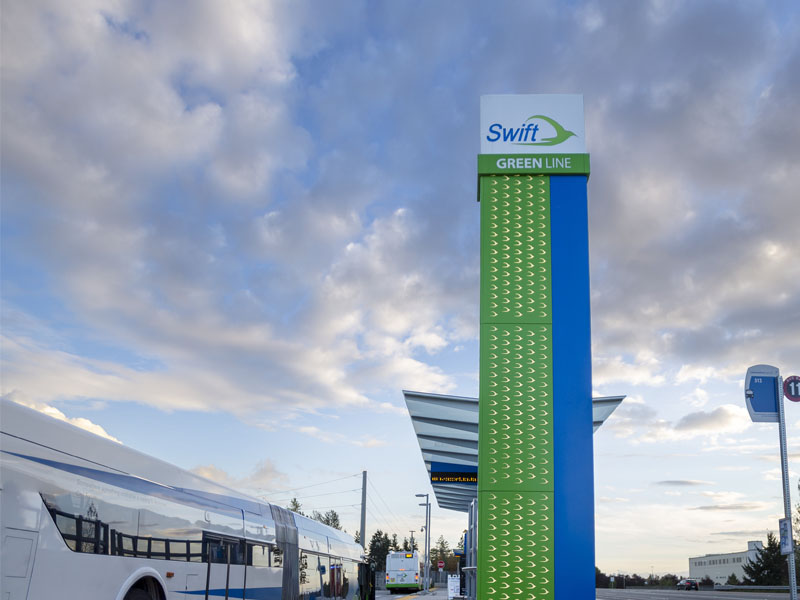
The Swift Green Line opened, expanding bus rapid transit service to south Everett, Mill Creek, and Canyon Park. Running every 10 minutes on weekdays, the Green Line connected with the Blue Line and added service to Paine Field.
With the introduction of bus rapid transit, riders gained new options for faster and more reliable travel.
March 24, 2019
The Swift Green Line opens, expanding BRT service to south Everett, Mill Creek, and Canyon Park. One of the stations also serves Paine Field, which had recently opened a passenger terminal.
2020s: Growing with the region
Early 2020s
Community Transit adjusted service to meet changing rider needs, focusing on reliability, frequency, and connections. These updates helped ensure transit remained a dependable option for essential trips.
March 20, 2020
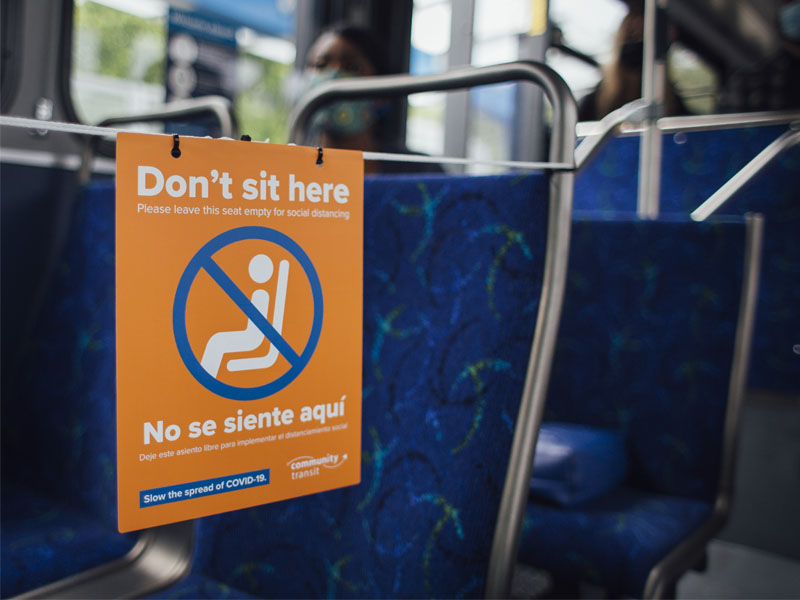
Fare collection is halted on all Community Transit routes due to the emerging COVID-19 pandemic, which triggers new health and safety measures onboard buses and at agency facilities.
March 30, 2020
A 25% cut in service is implemented in response to the COVID-19 pandemic. Ridership declined significantly after the "stay home" order from the state government.
March 2021
The final edition of the "Bus Plus" schedule books is published as schedules are changed frequently during the pandemic
October 4, 2021
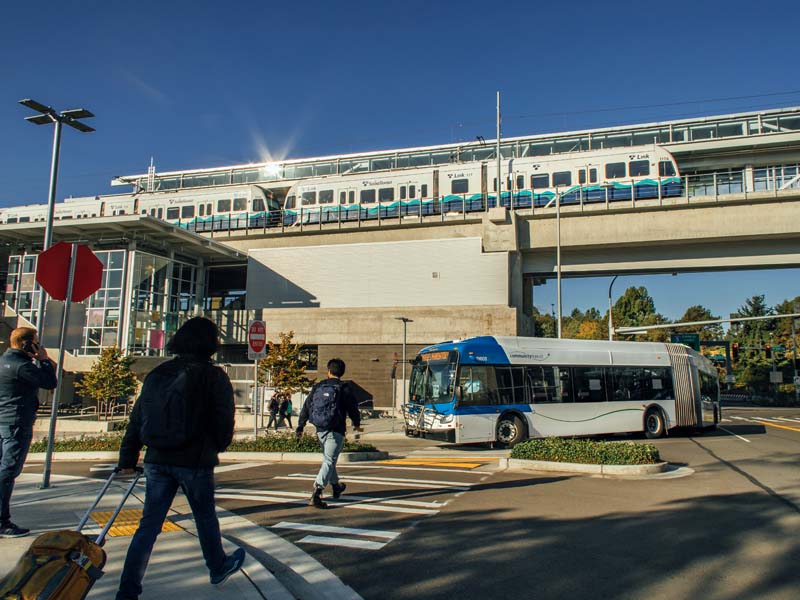
Link light rail reaches Northgate and Community Transit moves many of its commuter routes, including all University of Washington service, to end at Northgate Station.
2022
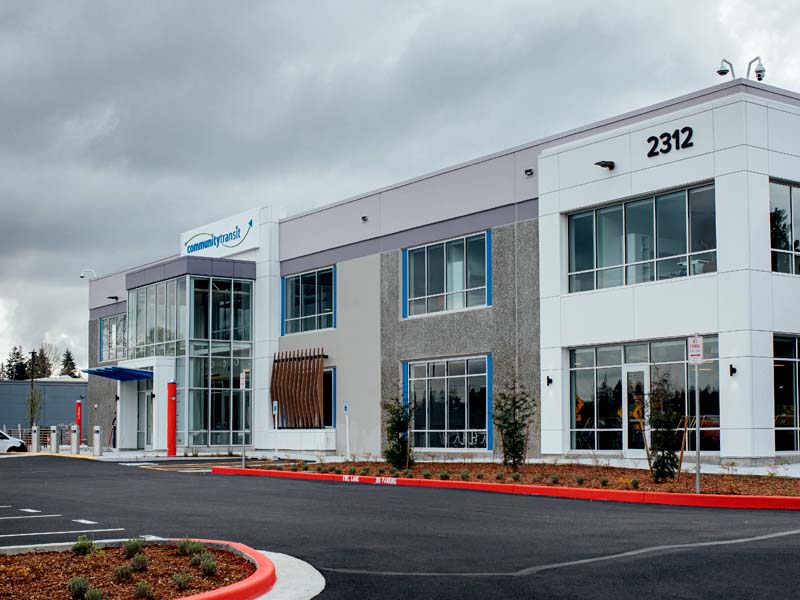
Community Transit moves into its current headquarters building on Casino Road, adjacent to the Kasch Park Operating Base.
September 1, 2022
Youth fares are eliminated as part of the state's Move Ahead Washington package, which funds free transit for passengers under the age of 19 through grants.
October 20, 2022
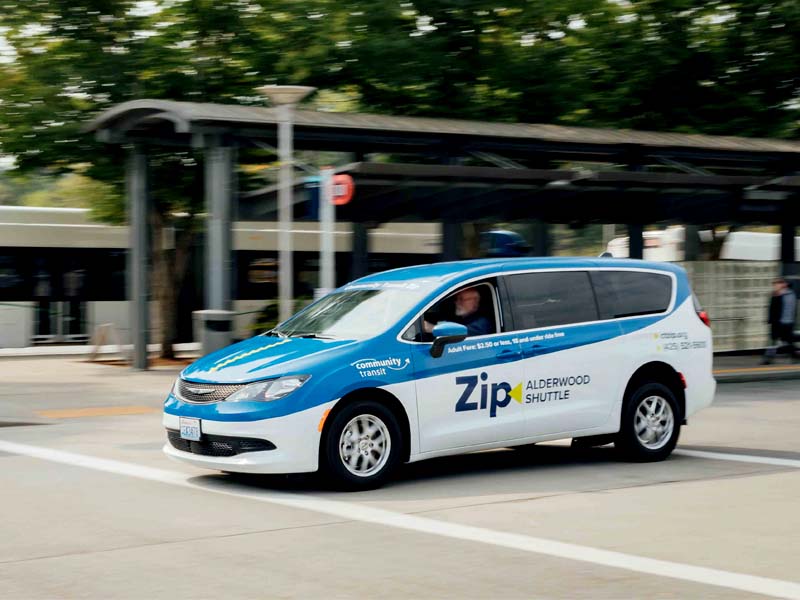
Zip Shuttle, a microtransit service, launches in the Alderwood area around Lynnwood. It is initially a one-year pilot project before being adopted as a permanent service.
2024
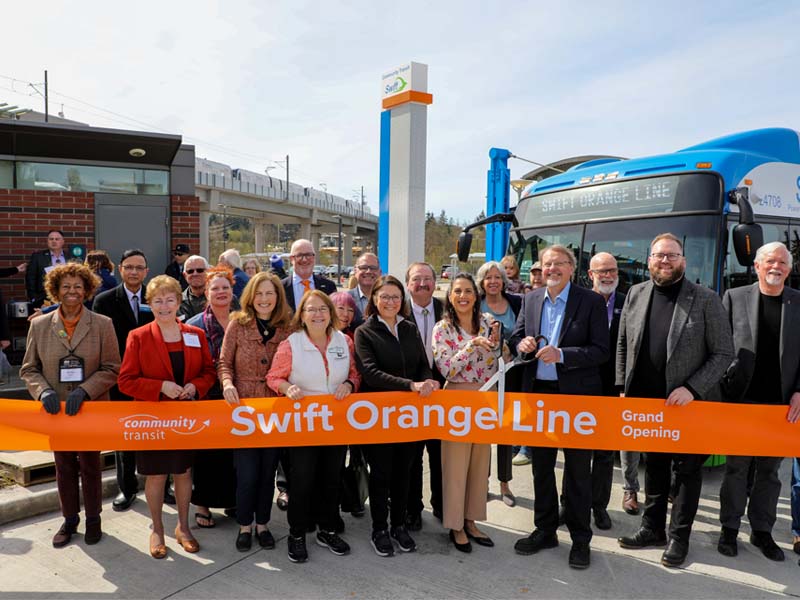
The Swift Orange Line opened, expanding bus rapid transit service and adding new connections between Lynnwood, Mill Creek, and surrounding communities. The Orange Line connects to Link light rail, making regional travel easier and more seamless.
March 30, 2024
Swift Orange Line, Community Transit's third BRT route, makes its debut with a community block party at Edmonds College. The new line is 11 miles long and serves 14 stations between Edmonds College and McCollum Park.
September 17, 2024
Community Transit undergoes the largest service change in the agency's history. Almost all commuter buses to Seattle are eliminated and are redirected to the Lynnwood and Mountlake Terrace light rail stations, where passengers can transfer. A new 900-series of routes are also introduced to provide new connections to these stations.
May 20, 2024
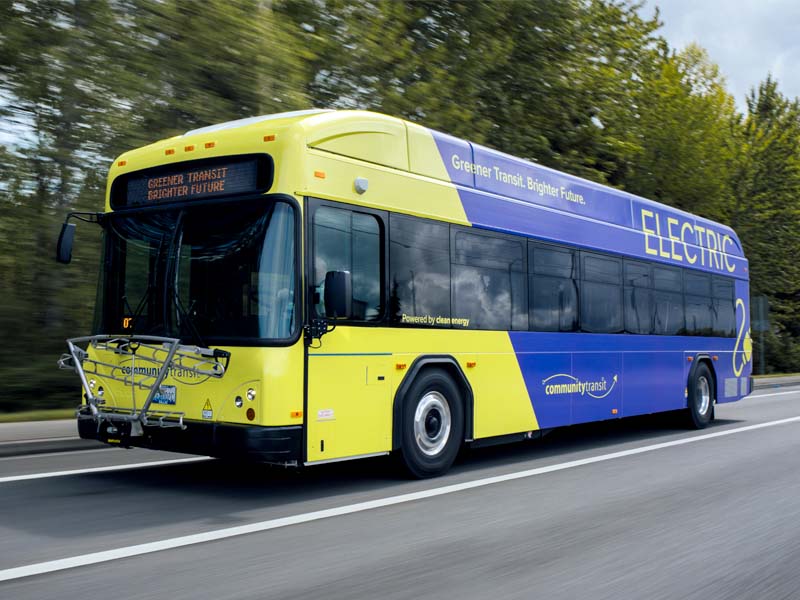
The first battery electric and hydrogen buses for Community Transit are delivered to begin testing.
Today
Community Transit provides bus, Swift bus rapid transit, and vanpool service across Snohomish County, with connections to regional transit systems.
Looking ahead
Community Transit is planning for future growth by expanding service, improving frequency, and strengthening connections. Guided by the Transit Development Plan, the agency is working to make transit more accessible and reliable.
From its beginnings in 1976 to today, Community Transit continues to grow and adapt to serve Snohomish County—now and into the future.